Turnpike Lane gardeners access problems and solutions: practical fixes for tight front gardens, awkward rear access, and busy London homes
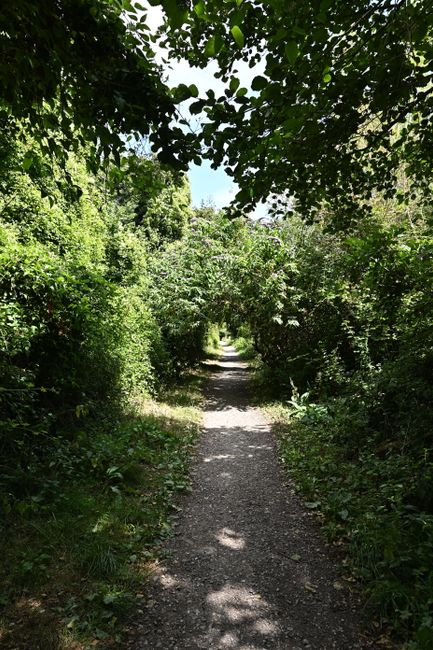
If you have ever tried to get a gardener in and out of a property in Turnpike Lane, you will know the job can be less about pruning and more about problem-solving. Narrow side passages, shared entrances, steep steps, locked gates, nowhere to park, no storage for tools, neighbours who like to keep the shared alley tidy but not necessarily clear - it all adds up. The good news is that Turnpike Lane gardeners access problems and solutions are usually manageable once the route, timings, and work method are planned properly. This article breaks down the common access headaches, the smart fixes, and the small site changes that make a big difference.
We will look at what access issues actually mean in a London garden, how professionals work around them, what homeowners can do to help, and when it makes sense to choose different services such as garden maintenance, landscaping, or fencing. You will also find a checklist and a realistic comparison table. Nothing flashy. Just the useful stuff that saves time, reduces stress, and prevents the classic "we can't quite get the mower round there" moment.
Why Turnpike Lane gardeners access problems and solutions Matters
Access is not a side issue. It shapes the whole gardening visit.
In Turnpike Lane, many properties sit on compact plots or older terrace layouts, and that usually means the garden is not set up with modern machinery in mind. A wide lawn mower, wheelbarrow, hedge trimmer, or bagged waste can become awkward the moment a path narrows, a gate sticks, or a front entrance is shared. If the route into the garden is tight, wet, dark, or cluttered, the job takes longer and becomes riskier. Simple as that.
Good access planning protects the garden too. Heavy boots on a soft border, dragging tools across paving, or squeezing through planted beds can leave avoidable damage behind. Nobody wants a "tidy" garden that has been scratched up getting there. That is why local access thinking matters so much for homes near Turnpike Lane, where space is often at a premium and neighbours are close enough to notice everything.
There is also the practical side for the customer. When access is sorted, quotes are easier to trust, timings are more reliable, and the work often looks better because the team can actually move efficiently. That can apply to regular lawn care, one-off clearance, or a bigger redesign handled through gardening services.
Expert summary: In most Turnpike Lane gardens, access problems are less about one big barrier and more about five small frictions happening together. Fix the route, the timing, the storage, and the method, and the job usually becomes far smoother.
How Turnpike Lane gardeners access problems and solutions Works
The simplest way to think about access is this: the gardener needs a safe, efficient path from arrival to work area and back again, with minimal disruption to people, pets, plants, and property. The solution is not always "make the garden bigger." Usually it is more about choosing the right approach for the existing space.
At the planning stage, a good gardener will typically check a few things:
- How they get from the street to the garden
- Whether there is side access, rear access, or only through the house
- How wide the gate, passage, or doorway actually is
- Where tools, waste, and materials can be placed without blocking movement
- Whether the ground is level, slippery, shared, or fragile
- Any time restrictions, neighbour considerations, or parking issues
Then comes the practical adjustment. Smaller tools may be used. Work may be split into stages. Waste may need to be bagged in smaller loads. Materials may need to be delivered in a way that avoids blocking the route. In some cases, the answer is to change the garden layout itself so future visits are simpler. That can mean replacing an awkward strip with a low-maintenance surface, using patio cleaning to improve worn access areas, or choosing structures that are easier to work around, such as the right kind of border edge or barrier.
There is no one-size-fits-all fix. A narrow passage in a Victorian terrace asks for a different method than a block of flats with shared entry, and a family garden with children's bikes everywhere is another story again. But the workflow is consistent: assess, clear, protect, work, remove waste, and leave the route clean.
Key Benefits and Practical Advantages
When access is handled well, the benefits show up everywhere, sometimes in ways people do not expect.
- Less disruption: Fewer trips in and out, less noise, and less awkward "sorry, can you just move that?" behaviour.
- Lower risk of damage: Clear routes mean fewer scuffed walls, bent stems, broken slabs, or torn turf.
- Better value for money: A gardener can spend more time on the actual job rather than wrestling with the route in.
- Cleaner finishes: When movement is easy, the result tends to look sharper and more considered.
- Safer work: Better access reduces slips, trips, and carrying strain.
- Easier repeat visits: Once a good system is in place, regular maintenance becomes much simpler.
There is a quieter benefit too: confidence. If you know the access is sorted, you are more likely to keep up with regular care instead of letting the space drift. And a neglected garden becomes, well, neglected quite quickly. London weather does not exactly wait around.
For many households, the best long-term gain comes from combining access fixes with simple maintenance changes. For example, if hedge growth is narrowing a route, you may want to look at hedge trimming before the path becomes a squeeze again. Small interventions like that keep the garden workable without turning every visit into a mini construction project.
Who This Is For and When It Makes Sense
This topic matters to more people than you might think. If any of the situations below sound familiar, access planning is probably worth your attention.
- Terraced homes with rear gardens: Especially where access is only through the property or a narrow shared passage.
- Flats and maisonettes: Communal entrances and shared paths can create timing and movement issues.
- Busy family homes: Toys, bikes, bins, and daily life can make routes feel blocked even when the garden itself is small.
- Older properties: Tight side returns, uneven paving, and low gates are common.
- Homes needing regular care: If you book recurring work, access compounds the cost of every visit if it is not planned properly.
It also makes sense if you are planning more involved work like new planting, boundary changes, or structural improvements. A small design tweak now can save a lot of repeated hassle later. To be fair, this is one of those jobs where a little forethought saves a lot of swearing under your breath.
If you are working out whether a project is worth doing now or later, it can help to explore the broader scope of landscaping or view the full range of gardening services before deciding. Sometimes the access issue is really a layout issue in disguise.
Step-by-Step Guidance
Here is a practical, no-nonsense way to tackle access problems before work starts.
- Walk the route slowly. Start at the street and follow the exact route the gardener would use. Notice gates, steps, tight corners, low branches, clutter, and slippery surfaces.
- Measure the narrow points. Even rough measurements help. Gate width, passage width, and doorway clearance matter more than people realise.
- Identify what can be moved. Bins, bikes, planters, hose reels, and storage boxes often create the bottleneck. The route might be fine once these are shifted.
- Decide where tools and waste will go. A clear "park here, stack here, carry out this way" plan stops confusion later.
- Protect fragile surfaces. If paving is old or slippery, or if there are delicate beds beside the path, use boards, mats, or a gentler carry method.
- Match the job to the access. A big clear-out may need smaller loads. A hedge job may need different equipment. A lawn task may be better handled with lighter gear.
- Check timing and neighbours. Shared access often works best when everybody knows when the route needs to be clear.
- Review after the first visit. If something felt clumsy, change it next time. Access planning gets much easier once the site has been seen in person.
A lot of issues disappear once the route is treated like part of the job, not just the way to the job. That sounds obvious, but it is often the difference between a smooth visit and a frustrating one.
If the access route itself has become tired or messy, you may also want to improve the starting point. A cleaner hard surface can make a surprising difference, which is why some gardens benefit from coordinated patio cleaning before heavier seasonal work begins.
Expert Tips for Better Results
These are the sort of little things that make a service feel more professional and a lot less chaotic.
- Keep one permanent route clear. Even a narrow, dedicated path beats constantly moving obstacles out of the way.
- Use lighter, modular equipment where possible. Smaller kit may take a bit longer, but it can be much easier in tight gardens.
- Store the most-used items near the access point. Gloves, bags, hand tools, and basic sweeping gear should not be buried at the back of a shed.
- Think vertically as well as horizontally. In cramped gardens, a wall or fence can work harder than the ground plane. If you want ideas, vertical gardening is worth reading about.
- Choose plants and structures that do not crowd the passage. Overgrown shrubs and vigorous climbers can quietly steal access over time.
- Have a wet-weather plan. On damp mornings, even a sensible route can become slippery. Simple coverings or an adjusted sequence can help.
One of the best practical habits is to treat access as part of seasonal maintenance. Spring growth, summer clutter, autumn leaf fall, and winter mud all change the feel of a garden. If you keep the route under review, the problem rarely gets the chance to become a crisis.
A small aside, because it happens more often than you would think: the gate is not always the issue. Sometimes it is the little pile of "temporary" stuff beside it that has been there since last summer. We have all seen that sort of thing.
Common Mistakes to Avoid
Access mistakes tend to be boringly repeatable. Which is annoying, because they are also easy to prevent.
- Assuming a job will fit without measuring. "It should be fine" is not a plan.
- Ignoring waste removal. You may have room to work, but not room to move bags of cuttings out safely.
- Forgetting about return access. Getting in is one thing. Getting out with tools, waste, and dirty boots is another.
- Using oversized equipment just because it is available. The biggest machine is not always the smartest choice.
- Leaving clutter near the entry point. This is the classic issue in busy homes. Everything piles up by the gate because it feels "out of the way." It usually is not.
- Not considering neighbours or shared routes. Even a short block at the wrong time can cause hassle.
Another common problem is underestimating how access affects the quote. A difficult route can add labour time, reduce the speed of waste handling, and require more careful equipment choices. That is not a trick. It is simply the reality of the site. If you want to understand how pricing is usually approached, the clearest place to start is pricing and quotes.
Tools, Resources and Recommendations
You do not need a shed full of specialist kit to solve access problems, but a few sensible tools and habits help a lot.
| Access challenge | Useful solution | Why it helps |
|---|---|---|
| Narrow side passage | Smaller tools, staged waste removal, clear walking route | Reduces collisions, strain, and damage to walls or planting |
| Shared entrance | Agreed visit times and visible route clearing | Limits friction with neighbours and keeps everyone informed |
| Slippery paving | Cleaning, mats, and cautious carry routes | Improves safety and reduces slips |
| Little storage space | Portable tool bags and smaller stock quantities | Makes movement easier and keeps the site less cluttered |
| Overgrown route edges | Regular edging and hedge care | Prevents the route from shrinking over time |
For many homeowners, the most useful resource is not a fancy product; it is a clearer routine. If the garden is regularly used by children, pets, or guests, browse practical ideas in kid-friendly garden techniques and pet-friendly garden planning. Those topics matter because access and liveability are linked. A route that works for a gardener should still work for the people who live there.
It is also worth thinking about the garden as a system. If the space is overgrown, the soil is tired, and the access is poor, the fix is usually a sequence rather than a single task. If that sounds familiar, a neglected garden makeover can be a good starting point.
Law, Compliance, Standards and Best Practice
Access work in gardens is not usually legally complex, but there are still sensible standards to follow, especially in London where homes often sit close together.
First, anyone carrying out work should think about safety in a proper, practical way. That includes safe lifting, clear walkways, careful use of powered tools, and avoiding hazards for residents or visitors. A professional outfit should have a sensible approach to insurance and site safety, and customers should feel comfortable asking about it. If you want reassurance on that side, review the company's insurance and safety information and its health and safety policy.
Best practice also means respecting privacy, noise, and property boundaries. Shared access areas may need advance notice. Waste should not be dumped in communal paths. Tools should be stored securely. Gates should be left as found, unless you have agreed otherwise. Nothing complicated there - just common sense, really, but common sense is half the battle.
If you are booking work with a company, it is sensible to understand the broader terms too. Look at the terms and conditions, the privacy policy, the cookie policy, and the complaints procedure. That may feel a bit formal for a garden job, but it helps set expectations clearly and avoids confusion later.
There are also accessibility considerations. If the route into a property is difficult for anyone with mobility issues, the plan should be adapted rather than pushed through unchanged. For broader information, the website's accessibility statement is a useful reference point.
Options, Methods, or Comparison Table
Different access problems need different levels of intervention. This table gives a practical comparison of the most common approaches.
| Method | Best for | Strengths | Trade-offs |
|---|---|---|---|
| Work around the access as-is | Light maintenance and quick tidy-ups | No upfront changes, flexible for small jobs | Can be slower and less efficient on repeat visits |
| Adjust tools and timing | Narrow routes, shared entrances, busy households | Fast to organise, usually low disruption | May not solve structural bottlenecks |
| Improve the route itself | Persistent access issues | Makes every future visit easier | Needs more planning and possibly more budget |
| Redesign part of the garden | Overgrown, awkward, or heavily used spaces | Can transform both access and appearance | Best for medium or larger projects, not quick fixes |
In practice, many Turnpike Lane gardens benefit from a mixed approach. A bit of route clearing now, plus a more thoughtful layout decision later, is often better than throwing money at a full redesign too soon. Sometimes the quiet, sensible option wins. Boring? Maybe. Effective? Absolutely.
Case Study or Real-World Example
Picture a typical Turnpike Lane terrace with a rear garden reached through the house and a narrow back passage. The family wants regular lawn care, border tidying, and seasonal hedge maintenance. The first visit is slow because the route is cluttered with plant pots, a bin, and a bike that no one wants to claim as theirs.
The solution is straightforward once someone actually walks the site:
- The homeowners clear one permanent route from back door to garden gate
- Tools are brought in through the same route each time, in smaller loads
- Waste is bagged in stages so the exit stays safe
- Overhanging growth beside the passage is reduced
- The garden maintenance schedule is adjusted to avoid peak household rush times
After that, the same work takes less time, looks tidier, and causes less disruption. Nothing dramatic changed. No grand redesign. Just fewer bottlenecks.
That is the bit people often miss: access improvements are frequently small, but they compound. A better route means cleaner work. Cleaner work means easier repeat visits. Easier repeat visits mean the garden stays healthier. And then the whole thing feels less like a chore and more like a place you actually want to spend time in.
Practical Checklist
Use this before the next visit, or before asking for a quote.
- Have I walked the exact route from street to garden?
- Are gates, doors, and passage widths clear enough for the tools needed?
- Can clutter, bikes, bins, or furniture be moved temporarily?
- Is there a clear plan for waste bags and cuttings?
- Are there any slippery, uneven, or fragile surfaces to protect?
- Will neighbours or shared access users need notice?
- Do I know whether regular maintenance is easier than a one-off clear-out?
- Is any hedge, fence line, or planting narrowing the route?
- Do I need a broader garden reset rather than a quick tidy?
- Have I checked the service terms and safety information?
If you can tick most of those off, you are in good shape. If not, that is fine too - it just means the planning stage deserves a bit more attention.
Get a free quote today and see how much you can save.
Conclusion
Turnpike Lane gardens can be lovely, but they are often a bit awkward to work in. That is not a flaw so much as a fact of local property layouts. The real skill lies in dealing with the access, not pretending it does not exist. Once the route is measured, the clutter is cleared, and the work method is matched to the space, the whole garden feels easier to live with.
So if you are weighing up Turnpike Lane gardeners access problems and solutions, start with the practicalities. Walk the route. Notice the pinch points. Ask what can be simplified. Then build the job around the space instead of fighting the space. It is calmer, safer, and usually better value. And honestly, that is the kind of improvement you notice every time you open the back door on a damp London morning.
A well-run garden does not always begin with a perfect layout. Sometimes it begins with a better path.
Frequently Asked Questions
What are the most common access problems for gardeners in Turnpike Lane?
The usual issues are narrow side passages, shared entrances, limited parking, clutter near gates, awkward steps, and routes that become slippery in wet weather. Older terraces and compact London gardens often combine several of these at once.
How do gardeners deal with a garden that can only be reached through the house?
They usually plan the route carefully, use clean carry methods, bring in lighter tools where possible, and split waste removal into smaller loads. The goal is to reduce disruption inside the property and keep the route safe.
Does poor access make gardening more expensive?
It can, because more time may be needed for moving equipment, protecting surfaces, and removing waste safely. That does not always mean a big increase, but it is one reason site access matters during quoting.
Can access problems be fixed without redesigning the garden?
Yes. Many issues are solved with better planning, decluttering, improved timing, and smaller or more suitable tools. A full redesign is only needed when the layout itself is causing repeated problems.
What should I prepare before a gardener visits?
Clear the route, move bins or bikes, unlock gates, and decide where waste can go. It also helps to mention any narrow sections, shared paths, pets, or time restrictions before the visit.
Are shared access paths a problem for regular maintenance?
They can be, especially if neighbours also use the space. Good communication and fixed visit times usually solve most of it. Shared access works best when everyone knows the plan.
What kind of tools help in tight garden spaces?
Smaller hand tools, lighter bags, portable storage, and compact cutting equipment are often better than large machines. In cramped spaces, flexibility matters more than brute force.
Should I choose maintenance or landscaping if access is difficult?
If the garden mostly needs routine care, maintenance is usually the better starting point. If the access issue comes from the layout itself, landscaping may be the smarter long-term answer.
How do I know if access is a safety issue?
If the route is slippery, badly lit, uneven, very narrow, or blocked by heavy objects, it is worth treating as a safety concern. In those cases, the work should be adjusted rather than pushed through as normal.
Can hedge growth affect access to the garden?
Definitely. Overgrown hedges can narrow a route fast, especially along side returns and fence lines. Regular hedge trimming keeps paths usable and stops the problem coming back.
What if I have pets or young children in the garden?
Then access planning matters even more. Routes should be kept clear, tools stored safely, and work timed so children and pets are not underfoot. It is often worth checking pet-friendly and family-friendly garden ideas before major changes.
Where can I get help if I am not sure what to do next?
Start with the site itself: measure the route, clear the obvious blockages, and think about the kind of work you actually need. If you want a quote or a proper discussion, the best next step is to contact the team through the website and explain the access situation clearly.