Alexandra Palace garden maintenance specialists near me: a practical guide to choosing the right local help
If you've been searching for Alexandra Palace garden maintenance specialists near me, you're probably at that familiar point where the garden is not quite "out of control" but definitely no longer looking after itself. A few weeds here, a tired lawn there, hedges that seem to have grown while you were making tea - it happens. The good news is that a dependable local gardener can bring structure back quickly, and without turning the job into a stressful project you keep putting off.
This guide walks you through what garden maintenance actually covers, how local specialists work, what to expect, what to avoid, and how to judge whether a service is genuinely a good fit for a property near Alexandra Palace. We'll keep it practical, grounded, and properly useful.
Why Alexandra Palace garden maintenance specialists near me Matters
Garden maintenance is not just a cosmetic task. In a busy London setting, it protects the long-term health of your outdoor space. Around Alexandra Palace, gardens often deal with a mix of compact plots, shade from mature trees, wind exposure in open stretches, and the usual British cycle of damp, sudden growth, and seasonal mess. That combination can make even a well-kept garden drift out of balance quickly.
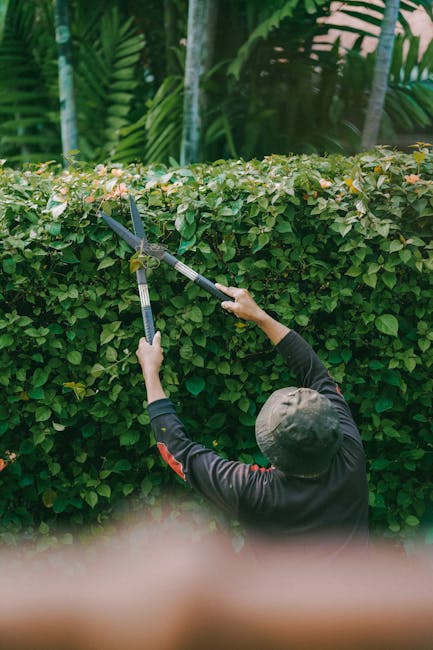
A local specialist understands the practical realities. They know that a lawn may need different care depending on how much afternoon sun it gets. They understand that hedges near a boundary line need careful trimming, not a rough hack at the first sign of overgrowth. And they tend to be more realistic about access, parking, waste removal, and the odd awkward corner that only a real person with a hedge trimmer in hand will appreciate.
There's also a trust element. When you're inviting someone into your home environment, you want more than a quick mow and dash. You want consistency, care, and the sense that the work is being done by people who understand how gardens behave across the year. That matters more than people often think.
Expert summary: The best local garden maintenance is not about doing everything at once. It is about keeping the garden healthy, tidy, and manageable through regular, sensible attention.
How Alexandra Palace garden maintenance specialists near me Works
In plain English, garden maintenance is the regular upkeep that keeps a garden functioning properly. It usually begins with a visit or an assessment, where the gardener looks at the lawn, borders, hedging, weeds, paths, patio edges, pruning needs, and any seasonal problems. After that, they propose a maintenance plan that fits the space and how often you want support.
For many homes, the work is a mix of recurring and one-off tasks. A recurring visit might include mowing, edging, weeding, deadheading, hedge tidying, leaf clearance, and checking plant health. A one-off visit might focus on a bigger reset, such as clearing a neglected garden, cutting back overgrowth, or preparing for a new planting scheme. If the garden has become a bit of a jungle - and let's be honest, some do - the first visit can be the most dramatic.
Good specialists usually work in stages. They tidy the structure first, then improve the finer details, then help you maintain that standard. That approach is usually better than trying to do everything in a single frantic burst. It avoids unnecessary damage and gives the garden a chance to recover.
For related services, many people also explore garden maintenance support, lawn care, or hedge trimming when certain parts of the garden need more focused attention.
Key Benefits and Practical Advantages
There are obvious benefits, like a tidier garden and less weekend stress. But the real value often goes deeper than that.
- Better plant health: Regular pruning, feeding, and weed control help plants stay vigorous rather than struggling in silence.
- Safer outdoor spaces: Clear paths, controlled growth, and well-managed branches reduce slips, trips, and awkward obstruction.
- More usable space: A maintained garden feels bigger, lighter, and easier to enjoy.
- Seasonal resilience: Gardens that are managed through the year handle rain, frost, wind, and heat better.
- Less expensive recovery work later: Small regular interventions usually prevent larger, messier repairs.
There's also the simple comfort factor. A neat lawn and healthy borders change how the whole home feels. You notice it when you step outside in the morning with a cup of tea and the garden doesn't greet you with ankle-high weeds and a sad-looking fence line. That tiny feeling of order is worth something.
For inspiration on low-effort visual improvements, it can help to look at ideas such as achieving a polished garden look with minimal effort and expense or using ground covers that reduce bare soil.
Who This Is For and When It Makes Sense
This kind of service suits a wide range of people. You do not need to have a huge garden or a complicated landscape to benefit from professional maintenance. In fact, smaller gardens can become messy just as quickly, only in a more visible way.
- Busy homeowners who want the garden to stay presentable without spending every Saturday on it.
- Landlords and property managers who need outdoor spaces to look cared for between tenancies or viewings.
- Families who want a garden that is safe, manageable, and suitable for play.
- Older residents who prefer the physical work handled by someone equipped for it.
- New homeowners still figuring out what their garden needs after moving in.
- People with problem areas such as overgrown hedges, exhausted soil, patchy lawns, or heavy shade.
It also makes sense when the garden has specific pressures: pets running around, children using the space, neighbours close by, or weather exposure from the open side of a property. If you need privacy, there are practical planting and boundary options too, including ideas discussed in vibrant hedges for privacy and evergreen climbers for shady spaces.
Step-by-Step Guidance
If you're thinking about booking local help, here's a sensible way to approach it.
- Identify the main problems. Is the issue the lawn, the hedges, weeds, leaf fall, or general neglect? Be honest. A vague "the whole garden is a mess" is fair enough, but specifics help.
- Decide what outcome you want. Do you want a one-off tidy, regular visits, or a longer-term improvement plan?
- Check the scope of work. Make sure the service can cover the tasks you actually need, such as mowing, pruning, patio cleaning, or border resets.
- Ask about seasonal planning. A good gardener should adapt the work through spring, summer, autumn, and winter instead of using the same routine all year.
- Clarify waste handling. Green waste removal matters, especially after bigger clearances. No one wants a neat garden and a pile of bags left behind.
- Agree the frequency. Weekly, fortnightly, monthly, or seasonal visits all have different outcomes. Choose what your garden can realistically maintain.
- Review after the first visit. A proper service should leave you with a clearer picture of what the garden needs next, not just a pile of cuttings and a shrug.
If the garden needs a deeper reset before maintenance can begin, a full tidy-up or makeover route may be more appropriate. There's a useful distinction between routine maintenance and a one-off transformation, and the right answer depends on how far the space has drifted.
Expert Tips for Better Results
Here's where a little practical judgment goes a long way.
- Match mowing height to the season. Cutting too short in heat or dry periods can stress the lawn.
- Trim hedges with the plant's natural shape in mind. Crisp lines are fine, but forcing every hedge into a box can look odd and cause poor regrowth.
- Don't ignore soil condition. A garden can look tidy and still be starved underneath. Healthy soil changes everything.
- Use mulch where appropriate. It can reduce weeds, hold moisture, and tidy the look of beds.
- Be realistic about shade. Some areas will never behave like a suntrap, no matter how much you wish them to. Work with the space, not against it.
- Plan for winter before winter arrives. A few preventative steps in autumn can save a lot of repair work later.
One small but useful habit is to keep an eye on the garden after a windy spell. In Alexandra Palace, exposed corners can collect debris and reveal weak branches fast. A five-minute check can save a proper headache later. Not glamorous, but very effective.
If you enjoy hands-on gardening yourself, reading up on essential tools for garden care or improving soil with organic matter can help you understand what a professional is doing and why.
Common Mistakes to Avoid
Most garden problems don't come from one dramatic failure. They come from small habits repeated over time.
- Waiting too long between visits. Once weeds set seed or hedges surge past a manageable point, the work becomes slower and more expensive.
- Choosing a gardener on price alone. Cheap can be fine, but only if the scope, reliability, and workmanship are still there.
- Assuming all maintenance is the same. Lawn care, hedge trimming, pruning, and patio cleaning need different methods and different timings.
- Ignoring access issues. Narrow side passages, locked gates, and poor parking can affect how smoothly a job runs.
- Overpruning. This is a classic. A hedge that looks "tidy" right after a hard cut may take a long time to recover, if it does at all.
- Forgetting the garden's purpose. A family garden, a decorative front plot, and a pet-friendly space all need different priorities.
It's also easy to forget the weather. UK conditions can be a bit sneaky. One week of rain and mild temperatures can trigger growth, and then a cold snap arrives. Garden maintenance has to follow that rhythm rather than fight it.
Tools, Resources and Recommendations
Good maintenance depends on proper tools, but it also depends on choosing the right service combination for the garden. A competent specialist will usually bring a mix of cutting, clearing, shaping, and clean-up equipment suited to the job. That might include lawn mowers, edging tools, secateurs, hedge trimmers, pruning saws, leaf clearance tools, and safety kit.
From a homeowner's point of view, it helps to think in terms of categories:
| Need | Best-fit service type | Typical outcome |
|---|---|---|
| General upkeep | Routine garden maintenance | Tidier, healthier garden with less build-up |
| Grass problems | lawn mowing or lawn care | Improved appearance and stronger grass recovery |
| Boundary growth | hedge trimming | Controlled shape, better light, better privacy management |
| Messy hard surfaces | patio cleaning | Safer, cleaner, more usable outdoor areas |
| Structural changes | landscaping or gardening services | Improved layout and long-term garden function |
For more specific garden challenges, these reading topics can also be useful: reducing weather damage, winter protection, and practical weed control.
Law, Compliance, Standards, or Best Practice
For most homeowners, garden maintenance is straightforward, but there are still a few best-practice considerations worth respecting. In the UK, gardeners and property owners should be sensible about safe working, plant health, waste handling, and boundary responsibility. If trees are involved, extra care is needed because tree work can carry safety risks and sometimes requires more specialist judgment than general tidying.
Professional providers should be able to explain how they approach safety, insurance, and complaints handling in plain language. That doesn't need to sound bureaucratic. It just means you can trust that the work is being handled responsibly. If you are comparing providers, a look at insurance and safety information, health and safety policy, and terms and conditions can be a useful part of the decision.
Best practice also means keeping expectations realistic. A garden near Alexandra Palace may need different management from one in a sheltered courtyard. Wind, shade, soil quality, and neighbouring trees all change what is sensible. There isn't one magic template. If somebody offers one, be cautious.
Options, Methods, or Comparison Table
When people search for local garden help, they usually end up choosing between a few common approaches. Here's a simple comparison.
| Option | Best for | Pros | Watch-outs |
|---|---|---|---|
| One-off tidy-up | Overgrown or neglected gardens | Fast visual improvement, good reset point | Doesn't keep the garden maintained on its own |
| Regular maintenance visits | Homeowners who want consistent presentation | Prevents build-up, easier to budget around | Needs a sensible schedule to work well |
| Seasonal visits | Lower-maintenance gardens | Cost-conscious and practical | May not suit fast-growing spaces |
| Task-specific support | Targeted problems like hedges or lawns | Efficient for a single issue | Can leave other areas unattended |
To be fair, most gardens benefit from a blend. A regular base level of maintenance with occasional targeted work is often the sweet spot. It keeps things calm without overdoing it.
Case Study or Real-World Example
Here's a realistic scenario. A couple living near Alexandra Palace moved into a property with a decent-sized rear garden, but the space had been left alone for months. The lawn was patchy, the hedges had started leaning into the path, weeds were pushing through the borders, and the patio had gone slippery in places. Nothing dramatic. Just enough to make the garden feel like a chore every time they looked at it.
The first visit focused on clearing the worst of the overgrowth, defining the edges, and getting the main surfaces usable again. Once the garden was back to a manageable baseline, the follow-up plan shifted to lighter, regular maintenance. Lawn care became more consistent, hedges were kept in check before they became a problem, and border weeding was handled before seed spread. The end result wasn't flashy. It was better: calmer, more welcoming, and far easier to live with.
That's the thing people often miss. Garden maintenance is not always about big visible transformation. Sometimes it's just about restoring ease.
Practical Checklist
Use this checklist before you book local garden maintenance.
- Identify the main problems in the garden.
- Decide whether you need one-off help, regular visits, or both.
- Make note of any shaded, windy, or awkward areas.
- List priority tasks such as mowing, hedging, weeding, or patio cleaning.
- Check whether waste removal is included or needs to be arranged separately.
- Ask how the gardener handles seasonal changes.
- Review safety, insurance, and service terms if you want extra reassurance.
- Think about pets, children, or access restrictions before work begins.
- Be clear about the result you want: tidy, maintained, reset, or redesigned.
- Set a realistic follow-up plan so the garden does not drift back into chaos.
If the space also needs structural or visual upgrades, you may want to combine maintenance with ideas from garden seating design or balanced, calming garden layouts.
And if you're planning for families, pets, or seasonal resilience, there are some useful specialist angles to consider, such as pet-friendly planting, kid-friendly garden ideas, and wind-sheltered garden planning.
Conclusion
Choosing Alexandra Palace garden maintenance specialists near me is really about more than finding someone to mow the grass. It is about finding a dependable, practical pair of hands who can keep the space healthy, presentable, and easy to enjoy across the year. The right help reduces stress, protects your garden's structure, and saves you from those weekend jobs that somehow take all day and still don't quite feel finished.
Whether you need a one-off reset, seasonal upkeep, or a proper ongoing plan, it pays to choose carefully and think beyond the cheapest option. A well-kept garden feels different. Quieter, somehow. More usable. More yours.
Get a free quote today and see how much you can save.
If you're ready to take the next step, a simple conversation is often enough to turn a messy outdoor space into something manageable again. And honestly, that first bit of order can feel like a small relief on its own.
Frequently Asked Questions
What do Alexandra Palace garden maintenance specialists near me usually include?
Most garden maintenance services include mowing, edging, weeding, hedge trimming, pruning, leaf clearance, and general tidy-up work. Some also offer patio cleaning, border care, and seasonal adjustments depending on what the garden needs.
How often should a garden in Alexandra Palace be maintained?
That depends on the size of the garden, how fast it grows, and how much use it gets. Many gardens benefit from fortnightly or monthly attention, while some only need seasonal visits. Fast-growing lawns and hedges usually need more frequent care.
Is one-off garden clearance the same as ongoing maintenance?
No. A one-off clearance is designed to reset an overgrown or neglected space, while ongoing maintenance keeps it under control afterwards. The best option often depends on how far the garden has slipped.
Can garden maintenance help improve a tired lawn?
Yes. Proper mowing, feeding, aeration, scarifying, and weed control can make a big difference over time. If the lawn is badly compacted or damaged, it may need more targeted lawn care rather than basic mowing alone.
What should I ask before hiring a local gardener?
Ask what tasks are included, how often they recommend visits, whether waste removal is included, and how they approach safety and insurance. It is also worth asking how they handle seasonal changes.
Do I need specialist help for overgrown hedges?
Often, yes. Hedges can look simple, but the right trimming approach depends on the plant type, shape, and timing. Poor cutting can leave bare patches or weaken growth, so professional hedge trimming is usually worth considering.
Is it worth combining maintenance with landscaping?
It can be. Maintenance keeps the garden functioning, while landscaping can improve layout, access, drainage, or the overall look. If the space feels awkward rather than just untidy, combining the two may make more sense.
What if my garden has shade, wind, or awkward corners?
That is very common around London. A good gardener will work with those conditions rather than pretending they do not exist. Shade-tolerant planting, wind-resistant structure, and sensible pruning all help the garden cope better.
How do I know if a garden service is reliable?
Look for clear communication, a sensible scope of work, practical advice, and transparent service terms. Reliability usually shows up in the little things: turning up on time, explaining the plan clearly, and leaving the space properly finished.
Can maintenance services help make a garden safer for children or pets?
Yes. Regular maintenance can reduce trip hazards, keep paths clear, control prickly growth, and remove debris. For family or pet-friendly setups, it also helps to choose plants and layouts with safety in mind.
What is the best time of year to start garden maintenance?
There is no bad time to start, to be fair. Spring is often a popular moment because growth is kicking in, but autumn is also valuable for preparation. If the garden needs help now, that is usually the right time.
How can I keep my garden looking good between visits?
Keep on top of small jobs like sweeping paths, removing obvious weeds, and checking for broken branches after windy weather. A few minutes here and there makes a surprisingly big difference, and it helps the professional work stay effective for longer.